

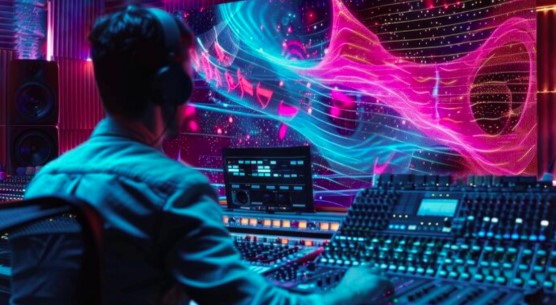
The traditional model of hospitality, once defined solely by physical comfort and personalized service, is undergoing a profound evolution. As global travel becomes more integrated with digital lifestyles, the physical environment of a hotel must adapt to stay relevant.
Technology has moved beyond being a mere utility to becoming a primary architect of the guest experience.
By integrating advanced hotel AV solutions, properties are fundamentally changing how spaces are used, how information is shared, and how emotional connections are formed with visitors. This shift is creating a more dynamic, responsive, and versatile hospitality landscape.
1. Redefining Public Spaces through Sensory Design
Modern lobbies and lounges are no longer just transitional areas; they have become multi-functional social hubs. High-resolution video walls and bespoke acoustic treatments allow these spaces to transition seamlessly from quiet morning workspaces to vibrant evening cocktail lounges.
The strategic use of hotel av technology ensures that the ambiance is always aligned with the guest’s needs.
This adaptability allows hotel management to maximize the utility of every square foot, turning static architectural features into dynamic environments that encourage guest interaction and prolonged stays.
2. Transforming Guest Rooms into Private Media Sanctuaries
The guest room is the ultimate private retreat, and its technological capabilities now define its luxury status. Modern hotel AV systems allow for a level of personalization previously unimagined.
Guests can now synchronize their personal devices with in-room entertainment systems to stream curated content, adjust ambient lighting, and control room temperature through intuitive interfaces.
This seamless connectivity reduces the friction of travel, providing a sense of familiarity and control that modern travelers crave. By prioritizing these digital comforts, hotels can offer a truly tailored experience for every individual.
3. Facilitating Global Connectivity in Business Centers
The rise of the digital nomad and the hybrid corporate model has placed new demands on hotel meeting facilities. To remain competitive, hotels must offer professional-grade communication tools that facilitate global collaboration.
High-quality hotel AV infrastructure, such as high-definition cameras and low-latency audio systems, allows for flawless video conferencing and interactive presentations.
These upgrades transform a standard meeting room into a sophisticated communication command center, attracting high-value corporate clients who require reliable technology to conduct their international business operations effectively.
4. Elevating Event Production to Cinematic Standards
Ballrooms and event halls are being reimagined as high-production theaters for weddings, galas, and product launches. With the inclusion of programmable lighting rigs and immersive surround sound, hotels can offer event planners a blank canvas for creative expression.
Modern hotel AV services provide the technical backbone necessary to execute complex visual narratives, ensuring that every event is both memorable and professional.
This shift toward high-end production capabilities allows properties to compete with dedicated event venues, significantly increasing their marketability for prestigious social gatherings.
5. Streamlining Operations through Integrated Automation
Efficiency is the cornerstone of a successful hospitality business, and integrated technology is its primary driver. Centralized management systems allow staff to monitor and adjust audio-visual outputs across the entire property from a single interface.
This level of automation reduces the need for manual intervention and ensures that environmental settings remain consistent.
Furthermore, these smart systems can be programmed to conserve energy during low-occupancy periods, contributing to a more sustainable operational model while maintaining a high standard of service for present guests.